Does a Minnesota Notary Need a Real Estate Closing License to Notarize Real Estate Documents?

When it comes to buying or selling property in Minnesota, notarizing real estate documents is a critical step in ensuring that the transaction is legally binding. Many property owners and buyers often ask: Does a Minnesota notary need a real estate closing license to notarize my real estate documents? Understanding the requirements and limitations of a notary’s role in real estate closings can save time, prevent legal issues, and make the entire process smoother. Understanding the Role of a Minnesota Notary A Minnesota notary public is a state-appointed official authorized to witness signatures, administer oaths, and certify the authenticity of documents. Notaries play a crucial role in preventing fraud and ensuring that legal documents are signed willingly and knowingly. In Minnesota, notaries can notarize a variety of documents, including: However, it’s essential to distinguish between notarizing documents and conducting a real estate closing. In Minnesota, “closing services” is interpreted broadly. It doesn’t just mean handling money, it covers most activities that facilitate a real estate loan closing. Once notarization occurs as part of a mortgage closing, it is usually viewed as part of the broader closing service, not a stand-alone act. A Notary Public must also be a licensed real estate closing in order to conduct a real estate closing in the state of Minnesota. This includes purchases, refinancing, and property sales. What Are Considered “Closing Services” in Minnesota? If a notary performs any of the following it is generally considered closing services and the notary must have a Real Estate Closing license. Document & Signing Activities: Handling or Managing Documents: Financial & Transactional Functions: Transaction Coordination: Tips for Using a Minnesota Notary for Real Estate Documents Remote Notarization for Real Estate Documents Minnesota allows Remote Online Notarization (RON). In this scenario, a notary uses secure audio-video technology to witness signatures remotely. Even in remote notarizations, a real estate closing license is not required unless the notary is performing broader closing services. RON requirements in Minnesota include: Why Use a Minnesota Notary for Real Estate Documents Using a commissioned notary ensures: How to Find a Trusted Notary in Minnesota Look for: Get Your Real Estate Documents Notarized with Ease If you’re ready, connect with a professional mobile notary. They will guide you, verify identities, and ensure your signatures are legally recognized. Contact a Mobile Notary in Minnesota:
How Is a Signer’s Identity Verified for a Remote Online Notarization Session?

The world of notarization has evolved dramatically in recent years. What once required an in-person meeting now often takes place entirely online from anywhere in the world. This shift has brought convenience, accessibility, and speed but also one crucial question: how can a notary verify a signer’s identity without meeting face-to-face? If you’re planning to use a notary, understanding how your identity is verified during the process is essential. The state of Minnesota has clear and secure guidelines for remote notarizations conducted by Minnesota-based notaries to ensure that each signer is properly authenticated before any document is notarized online. Understanding Remote Online Notarization (RON) Remote Online Notarization (RON) allows a notary and a signer to connect through secure video conferencing technology. Instead of meeting physically, both parties interact virtually through an approved online platform that records the entire notarization session. In Minnesota, remote notarization is fully recognized and regulated under state law. A Minnesota-based notary must use secure systems that follow strict identity verification and document retention procedures. For many professionals, homeowners, and business owners, this method offers flexibility especially when travel, distance, or scheduling make in-person meetings difficult. However, security remains the top priority, and that’s where identity verification steps in. The Three Layers of Identity Verification in Online Notarization Verifying a signer’s identity online involves multiple security layers. These are designed to protect both the signer and the integrity of the notarized document. Here’s how it typically works for Minnesota-based notaries: Knowledge-Based Authentication (KBA) This is the first step in verifying your identity. The notary platform asks a series of personalized questions that only you should be able to answer, for example, questions about past addresses, vehicles you’ve owned, or credit-related details.These questions are pulled from your public and financial records. You must answer them correctly within a set time limit to move forward.This step ensures that the person attempting to sign is truly who they claim to be. Credential Analysis Once you pass the KBA stage, the platform requests you to upload or scan a government-issued ID, such as a driver’s license or passport. The system then performs a digital credential analysis checking for authenticity, expiration, holograms, and any signs of tampering. It also verifies that the photo and data match your real identity.Some platforms use AI-powered technology for this step, adding another layer of protection against identity fraud. Real-Time Audio-Video Verification After your identity has been verified digitally, you’ll meet the notary via a live video session.During this interaction, the notary visually confirms that you match the ID shown, checks your demeanor, and ensures you’re signing willingly and knowingly. The entire session is recorded and encrypted, serving as proof of authenticity for future reference.These combined steps create a robust identity verification process that exceeds traditional face-to-face checks in many ways. Why Identity Verification Is So Important The notarization process serves one primary goal: to ensure trust and authenticity in legal and financial transactions. Whether you’re signing real estate documents, business contracts, or personal affidavits, every signature must be linked to the correct person.Without proper verification, documents could be challenged or deemed invalid. Remote notarization technology bridges the gap by ensuring every digital signature is tied to a verifiable human identity, supported by time-stamped recordings and digital certificates.In essence, you’re benefiting from a system built for both convenience and maximum security. Advantages of Remote Online Notarizations Residents and businesses are rapidly adopting remote notarization for several reasons: This makes RON an attractive choice for anyone needing fast, compliant, and trustworthy notarization. How to Prepare for a Remote Online Notarization Session Before your scheduled RON session, here are a few simple steps to make the process smooth: By preparing ahead, you’ll save time and ensure a seamless notarization experience. Ready to Connect with Remote Online Notarization? If you’re ready to notarize your documents online, Pro-Mark Mobile Notary Service provides professional Remote Online Notarization (RON) services to guide you every step of the way.Whether you’re managing a real estate closing, handling legal paperwork, or signing financial documents, our expert assistance ensures every step is completed securely, accurately, and legally. 📍 Location: Minnesota📞 Phone: 612-670-7651📧 Email: prutzen@promarksigning.com Reach out today to schedule your online notarization session or learn more about how our identity verification process keeps your online transactions safe and compliant. Why Trust Matters in Notarization Every notarization, especially those done remotely, relies on trust, technology, and transparency. That’s why Minnesota’s remote notary systems are built around verifiable digital identities, recorded sessions, and encrypted records.These safeguards ensure that your signed documents remain authentic and legally valid, no matter where you are. Choosing the right professionals means working with experts who follow state-approved identity verification standards and best practices. Identity Verification Process The process of verifying a signer’s identity during a remote online notarization is a blend of cutting-edge technology and legal oversight. With multi-step verification methods like KBA, credential analysis, and live video confirmation, the system ensures each signer is who they claim to be, safeguarding the integrity of every notarized document. Whether you prefer in-person services or want to embrace the convenience of remote notarization, both options offer reliable and secure solutions for individuals and businesses alike. Frequently Asked Questions (FAQs) Q1. Is remote online notarization legal in Minnesota? Yes. Minnesota law allows remote online notarization, provided the notary uses a secure, approved platform and follows all identity verification steps. A commissioned Minnesota notary must be physically located in the state of Minnesota during the remote signing and comply with Minnesota laws. The signer can be located anywhere in the world. Q2. What documents can be notarized online in Minnesota? Most personal, business, and real estate documents can be notarized online, as long as they don’t require in-person witnessing or physical seals. Always confirm your specific document type before scheduling. Q3. How is my information protected during online notarization? All remote notarization platforms used in Minnesota employ encryption, secure storage, and video recording, ensuring that your personal data and documents remain private and tamper-proof.
What Are the Requirements for Notarizing a Document for a Hospital Patient in Minnesota?

When a loved one is admitted to the hospital, life can feel overwhelming. Between medical care, insurance matters, and family concerns, there’s often a mountain of paperwork that needs attention. Documents such as medical authorizations, powers of attorney, advance directives, and financial documents must be signed promptly. But what happens if the patient cannot leave the hospital? How can you ensure these documents are legally valid and notarized correctly? This is where a mobile notary public becomes essential. In Minnesota, mobile notary services provide a convenient, professional solution to ensure your loved one’s important documents are notarized safely and legally without leaving the hospital. Understanding Notarization for Hospital Patients in Minnesota A notary public is an official authorized by the state to witness signatures on legal documents, verify identities, and administer oaths, and insure the signer is in a good state of mind to understand what they are signing. For hospital patients, notarization ensures that critical documents are legally binding even if the patient cannot travel. Key points to remember for hospital notarizations include: Patient Identification The notary must verify the patient’s identity. Acceptable forms of ID in Minnesota include a state-issued driver’s license, passport, or other government-issued identification. Voluntary Signature The patient must sign the document voluntarily. A mobile notary ensures there is no coercion and that the signature authentic signer is in a good state of mind and understands what they are signing. Singers whose judgement is impaired due to medications or poor health will be unable to complete a notarization. Witness Requirements Some documents, like healthcare directives or powers of attorney, may require additional witnesses. The signers are responsible for arranging witnesses. A mobile notary can coordinate with hospital staff or family members to meet these requirements. Document Completeness Before notarization, all blank spaces must be filled, and the document must be ready for signing. Incomplete forms may result in legal issues. Remote Online Notarization (Optional) In certain cases, Minnesota allows remote online notarization for specific documents. This option can be explored if in-person notarization is difficult. How a Mobile Notary Can Help Mobile notaries in Minnesota specialize in hospital visit notarizations, providing peace of mind for families and ensuring documents are legally sound. Some key advantages include: For example, Pro-Mark Mobile Notary Services offers services ranging from Loan Signing Services to Remote Online Notarizations, ensuring every notarization is handled professionally and efficiently. Step-by-Step Process for Notarizing Hospital Documents Here’s a practical guide for families needing notarization at the hospital: Identify the Documents Determine which documents need notarization, such as medical authorizations, powers of attorney, or advance directives. Verify Legal Requirements Check whether the document requires witnesses, notarization, or both. Some healthcare directives may have specific witness rules. Contact a Mobile Notary Reach out to a trusted mobile notary in Minnesota, like Pro-Mark Mobile Notary Services. They will coordinate a time to visit the hospital. Prepare Identification Ensure the patient has a valid government-issued ID available for verification. Schedule the Visit Mobile notaries often accommodate emergency or same-day requests. They will arrive at the hospital at a convenient time for the patient and family. Sign and Notarize The notary witnesses the signature, administers any required oaths, and completes the notarial certificate on the document. Secure Documentation The notarized document is returned to the patient, family, or healthcare provider as required, ensuring legal validity. Common Hospital Documents That Require Notarization Not every document requires notarization, but some hospital-related documents often do: Medical Authorizations: Allow family members or caregivers to access medical records or make medical decisions. Power of Attorney (Healthcare or Financial): Authorizes someone to act on the patient’s behalf legally. Advance Directives or Living Wills: Outline a patient’s healthcare preferences if they become incapacitated. Financial Documents: Include contracts, insurance forms, or loan-related paperwork. Using a mobile notary ensures these documents are notarized correctly, avoiding future disputes or delays in care. Why Choosing a Professional Mobile Notary Matters Hiring a licensed mobile notary like Pro-Mark Signing guarantees: Whether it’s a routine healthcare directive or an urgent financial authorization, a professional notary ensures the process is smooth and legally compliant. Tips for a Smooth Notarization Experience Contact Pro-Mark Mobile Notary Services in Minnesota If you need a reliable mobile notary for hospital documents in Minnesota, Pro-Mark Mobile Notary is ready to help. We provide fast, professional, and legally compliant notarization services at your convenience. Location: Edina, Minnesota Call: 612-670-7651 Email: prutzen@promarksigning.com Learn more about our services Ensure your loved one’s documents are notarized correctly without the stress of hospital visits. FAQs 1. Can a hospital patient legally sign documents in the presence of a mobile notary? Yes. Mobile notaries are authorized to witness signatures in hospitals, ensuring all documents are legally binding under Minnesota law. 2. What identification is required for hospital notarization? Acceptable IDs include a valid Minnesota driver’s license, passport, or other government-issued identification. The notary must verify the patient’s identity before notarizing. 3. Do hospital documents require witnesses in addition to notarization? Some documents, like healthcare directives or powers of attorney, may require witnesses. A mobile notary can coordinate with hospital staff or family members to meet these requirements.
Can a Minnesota Notary Provide a Notary Stamp for a Document in a Foreign Language?

In a multilingual state like Minnesota, foreign-language documents are part of everyday life. Whether related to immigration, international business, personal legal matters, or real estate abroad, these documents often require notarization. This is especially true for those relying on mobile notary public services in Minnesota, where convenience meets the need for legal accuracy. However, one common question arises: Can a Minnesota notary notarize a foreign-language document? Understanding the answer can help avoid document rejections, legal setbacks, or delays especially when dealing with time-sensitive paperwork. For assistance with such documents, questions can be directed to: 📍 Location: Minnesota 📞 Phone: 612-670-7651 📧 Email: prutzen@promarksigning.com The Notary’s Role in Minnesota The core responsibility of a notary public in Minnesota is to verify identity, witness the signing of documents, and ensure that signers are acting of their own free will. A notary does not validate the content of a document, whether it’s in English or another language. So, when a document is in a foreign language, the focus remains on the legal act of notarization, not the language or content itself. Is It Legal to Notarize a Foreign-Language Document in Minnesota? Yes, Minnesota law allows notaries to notarize documents written in languages other than English under certain conditions. The Notarial Certificate Must Be in English The key requirement is that the notary certificate the section completed by the notary must be written in English. This ensures clarity for institutions like courts, banks, or government agencies reviewing the notarization. If the document includes a certificate in another language, a new English-language certificate may need to be attached. The Notary and the Signer Must Communicate Directly Notaries in Minnesota are not permitted to use translators during the notarization process. If the signer and the notary do not share a common language, the notarial act should not proceed. Clear communication is essential for confirming identity, willingness to sign, and understanding the notarial act being performed. The Notary Does Not Evaluate the Document’s Content Even if a document is in a language unfamiliar to the notary, the notary is not required to read or understand the content. Their job is to validate the identity of the signer and complete the notarial certificate properly. Common Types of Foreign-Language Documents Needing Notarization Many types of documents may come in a foreign language but still require notarization in Minnesota: Before presenting any document for notarization, it’s helpful to confirm whether it meets local standards and whether a certified translation is also required. What to Prepare Before a Notarization To avoid delays or invalid notarizations, several steps can be taken when dealing with documents in a foreign language: 1. Confirm Shared Language with the Notary Only proceed if the signer and notary speak the same language fluently. Miscommunication or language barriers can invalidate the notarization. 2. Ensure Valid Identification All signers must present current, government-issued photo ID (e.g., passport, driver’s license). Expired or non-official documents may be declined. 3. Verify the Notarial Certificate If the document lacks a notarial section in English, request a standard Minnesota-compliant certificate (e.g., jurat or acknowledgment) be attached. Mobile Notary Services Can Help With Complex Situations Not everyone has the flexibility to travel to an office, especially when urgent documents require attention. That’s where mobile notary services become useful. In Minnesota, mobile notaries are available to travel to homes, offices, hospitals, or even airports to facilitate notarizations, including those involving foreign-language documents as long as legal requirements are met. What If a Translation Is Needed? Sometimes, the institution requesting the document may also ask for an official or certified English translation in addition to the notarization. This is common for: Keep in mind that notaries are not authorized to translate documents as part of the notarization process. If a translation is needed, it should be arranged through a qualified translation service before scheduling a notarization. Avoiding Mistakes When Notarizing Foreign-Language Documents Mistakes during notarization can result in rejected documents or legal setbacks. To avoid problems: Following these guidelines helps ensure that a notarization is performed legally and is accepted wherever it is submitted. Important Reminders for Foreign-Language Document Notarization Notarizing a foreign-language document in Minnesota is possible but only when done with care. By ensuring proper communication, valid ID, and an English notarial certificate, individuals can avoid costly delays or legal complications. Those with time-sensitive or international paperwork may find mobile notary services especially useful, particularly when coordination or mobility is a concern. For questions, availability, or to confirm requirements for foreign-language documents, assistance can be reached at: 📍 Location:Minnesota📞 Phone: 612-670-7651📧 Email: prutzen@promarksigning.com FAQs 1. Can a notary in Minnesota notarize a document in Spanish, Somali, or Hmong? Yes, as long as the notary and signer can communicate clearly and the notarial certificate is written in English, documents in any language can be notarized. 2. What if the notary doesn’t understand the document? The notary does not need to understand the document’s content. Their role is to witness the signing, verify identity, and complete the notarial certificate properly. 3. Can a translator help during the notarization process? No. Minnesota notaries are prohibited from using third-party translators to facilitate communication. The notary and signer must communicate directly in a shared language.
What Is an Apostille Authentication?

When handling documents for use outside the United States, one term that often comes up is apostille authentication. Understanding what an apostille is and when it’s required can help avoid delays in legal processes, international transactions, or travel-related matters. For individuals and businesses navigating apostille authentication in Minnesota, knowing how the process works is essential for ensuring documents are accepted abroad. This guide outlines what an apostille is, how it works, and what to consider before starting the process. Need Help Preparing Documents for Apostille? Pro-Mark Mobile Notary Services In Minnesota, obtaining an apostille authentication typically takes about 2 to 3 weeks through the standard process. However, Pro-Mark Mobile Notary Services offers an expedited solution for those who need their documents processed more quickly and securely. The provider arranges a face-to-face appointment with the Minnesota Secretary of State’s office and personally presents notarized documents for authentication. Throughout the process, the documents remain in the direct care of the notary, handled with professional attention from start to finish. Once authentication is complete, the finalized documents are personally returned to the client. This approach ensures a faster turnaround along with maximum document security and peace of mind, especially for paperwork intended for international use. For assistance with notarization or document readiness related to apostille authentication, inquiries can be directed to: Location: Serving across MinnesotaPhone: 612-670-7651Email: prutzen@promarksigning.com Apostille Explained in Simple Terms An apostille is a form of international certification that verifies the authenticity of a document issued in one country so that it can be recognized in another country that is part of the Hague Apostille Convention. Rather than having to go through lengthy embassy or consular legalization, the apostille simplifies the validation process for cross-border use of public documents. When Is an Apostille Required? An apostille is typically required when a document issued in Minnesota (or anywhere in the U.S.) is intended for official use in a foreign country that is a member of the 1961 Hague Convention. Common examples include: Before requesting an apostille, it’s essential to confirm whether the receiving country is part of the Hague Convention. How Does the Apostille Process Work? In Minnesota, the process typically follows these steps: 1. Document Preparation The document must be complete, accurate, and in its final form. Depending on the type, it may need to be notarized first especially if it’s a private document like a power of attorney or an affidavit. 2. Notarization (If Required) For non-governmental documents, notarization by a Minnesota notary public is usually the first step. This confirms the identity of the signer and creates a legal basis for apostille issuance. Those seeking convenience may consider mobile notary public services in Minnesota, particularly when dealing with tight deadlines or limited mobility. 3. Submission to the Minnesota Secretary of State Once notarized or issued by a government office, the document must be submitted to the Minnesota Secretary of State’s office for apostille authentication. 4. Apostille Issuance The Secretary of State verifies the signature and seal on the document (either from a notary or a government agency). If everything checks out, an apostille certificate is attached to the document. Key Considerations Before Requesting an Apostille Who Typically Needs an Apostille? Both individuals and organizations may need apostille authentication. Scenarios often include: The documents involved can vary widely, but the process remains consistent. Apostille vs. Embassy Legalization: What’s the Difference? It’s important not to confuse an apostille with embassy or consular legalization, which is a longer and more complex process used for countries not part of the Hague Convention. An apostille is accepted in over 100 countries, including Canada, France, Italy, Japan, Mexico, and Australia. For countries like China, UAE, or Egypt, embassy legalization is usually required instead. Checking with the document recipient abroad can help clarify whether an apostille or full legalization is needed. Accessibility Through Mobile Notary Services Not everyone has the ability to visit a government office or notary location. For individuals who are homebound, managing urgent travel, or dealing with tight timelines, mobile notary public services in Minnesota offer a helpful alternative. Before sending a document for apostille, the notarization step must be completed properly. Having a notary come to your location can make the process more manageable, especially in situations involving health issues, remote work, or international time zone constraints. Questions about document preparation or notarization can be directed to: 📍 Location: Minnesota 📞 Phone: 612-670-7651 📧 Email: prutzen@promarksigning.com FAQs 1. How long does it take to get an apostille in Minnesota? Processing time can vary, but standard turnaround from the Secretary of State is typically a few business days. Expedited service may be available for urgent situations. 2. Does every notarized document qualify for an apostille? No. The document must be properly notarized and fall within the types accepted for apostille processing (e.g., legal, personal, academic, or business use). 3. Can a photocopy of a document be apostilled? Only if it’s a certified copy issued by the appropriate agency or if the photocopy has been properly notarized. Photocopies without certification are not accepted.
What Can I Use to Prove My Identity for a Notarization If I Don’t Have a Valid Driver’s License?

When it comes to getting a document notarized, verifying your identity is a crucial step. But what if you don’t have a valid driver’s license? Whether it’s expired, misplaced, or you simply don’t have one, the good news is that you still have options. In Minnesota, notaries follow specific state guidelines to confirm a person’s identity before proceeding with any notarization. This article will walk you through acceptable alternatives to a driver’s license, how to ensure your documents meet legal standards, and how to get the help you need when navigating this process, especially if you’re working with a mobile notary. In such cases, having an experienced notary who understands these unique needs can make all the difference. Pro-Mark Mobile Notary Services Call: 612-670-7651 Email: prutzen@promarksigning.com Why Identity Verification Matters in Notarization Before a notary public stamps or signs your document, they are legally obligated to confirm that you are who you say you are. This step prevents fraud, protects all parties involved, and ensures the notarized document will be accepted by institutions like courts, banks, or government agencies. Typically, this is done using a state-issued photo ID, most commonly a driver’s license. But if you don’t have one, don’t worry. Minnesota allows for several other forms of acceptable identification. Acceptable Forms of ID Besides a Driver’s License in Minnesota Here are the most common and legally accepted ways to prove your identity for notarization in Minnesota: 1. State-Issued Non-Driver ID Cards If you don’t drive, you can obtain a Minnesota state identification card from the Department of Public Safety. These are equally valid for notarization purposes as a driver’s license. 2. U.S. or Foreign Passports Passports are widely accepted as valid ID for notarial purposes. They provide both a clear photo and government-issued credentials, fulfilling the notary’s requirements. 3. Military Identification If you are an active duty service member or a veteran, your military ID card can be used as long as it is current and bears a photograph. 4. Tribal Identification Cards Some federally recognized tribal IDs are also accepted, provided they include the necessary identifying information, such as a name, photo, and date of birth. 5. Permanent Resident or Green Cards For non-citizens residing in the U.S., a Green Card is a valid form of identification that notaries can accept in Minnesota. Can You Be Notarized Without Any ID? Yes, but with conditions. If you do not have any valid photo ID, Minnesota allows notaries to verify your identity through credible witnesses. Here’s how it works: One credible witness must personally know you and be present at the notarization. They must also present valid identification to the notary. These witnesses must swear or affirm that they personally know you and that you are who you claim to be. This method is useful for elderly individuals, people who have lost all forms of ID, or those undergoing transitions such as homelessness or natural disasters. What Notaries Look for in Valid Identification Regardless of the document type, your identification must generally meet the following criteria: Issued by a government agency Current or unexpired Contains a photograph and a signature Includes full name and date of birth IDs failing to meet these standards may be rejected, even if issued by a government entity. Mobile Notary Services: A Helpful Option If you’re unsure about your identification or have accessibility challenges, working with a mobile notary service can be especially beneficial. These professionals travel to your location and are often more experienced with alternative ID verification methods, including witness acknowledgments and out-of-the-box cases. Need help figuring out which ID works for your notarization? A knowledgeable mobile notary can walk you through the process step by step and make it less stressful. That’s where a reliable service like Pro-Mark Mobile Notary Services can be a game changer. They’re based in Minnesota and are ready to assist with convenient, flexible notary solutions. Common Scenarios Where an Alternative ID Is Needed People without a driver’s license often find themselves in the following situations: Seniors who no longer drive New immigrants or international students Those with suspended or expired licenses Young adults who never obtained a license In all of these cases, it’s important to prepare your identification in advance and confirm with the notary what they’ll accept. Can you use a digital ID or a Photocopier? Currently, Minnesota does not allow digital IDs or photocopies of identification documents for notarizations. Notaries must physically see an original, valid form of identification at the time of signing. For more guidance on acceptable forms of ID or to schedule a notarization, feel free to contact Pro-Mark Mobile Notary Services Pro-Mark Mobile Notary Services Call: 612-670-7651 Email: prutzen@promarksigning.com FAQs 1. Can I use my work ID for notarization in Minnesota? No. Work IDs are generally not accepted unless issued by a government agency and meet all legal requirements, including a photo and a signature. 2. What should I do if I can’t find one credible witness? If you don’t have proper ID or a credible witness, your notarization may be delayed. A mobile notary can help explore other options or advise you on how to obtain temporary, valid ID. 3. Is a passport card acceptable for notarization? Yes, passport cards are generally accepted as long as they are current and issued by the U.S. government.
How Can a Physically Disabled Person Sign a Notarized Document?

Navigating legal documents can be challenging for anyone, but for individuals with physical disabilities, the process may require additional considerations. Whether it’s signing a Power of Attorney, a will, or any other important document, physically disabled individuals have the same legal rights as anyone else when it comes to notarization. However, ensuring accessibility, understanding, and compliance with Minnesota notary laws is key. In this article, we’ll explore how a physically disabled person can sign a notarized document in Minnesota, what alternatives are available if traditional signing is not possible, and how notaries can assist in upholding the signer’s intent with dignity and care. In such cases, having an experienced notary who understands these unique needs can make all the difference. Pro-Mark Mobile Notary Services Call: 612-670-7651 Email: prutzen@promarksigning.com Understanding the Basics: What Is a Notarized Document? A notarized document is any legal document that has been verified and signed in the presence of a licensed notary public. The notary’s role is to confirm the identity of the signer, ensure that they are signing voluntarily and with full understanding, and then affix their official seal. For most people, the notarization process is straightforward: present ID, sign the document, and you’re done. However, for individuals who are physically unable to write, hold a pen, or move their limbs due to a disability, the process can require thoughtful adjustments to ensure their legal rights are fully respected. Does Minnesota Law Allow Physically Disabled Individuals to Sign? Yes. Minnesota law recognizes that not all individuals are physically able to sign in the traditional manner. The law provides several legally acceptable alternatives to accommodate such individuals, provided that the signer is of sound mind and can clearly express their intent to sign. Common Alternatives to a Traditional Signature Here are some ways a physically disabled person can legally “sign” a document: 1. Signature by Mark A simple “X” or other mark can be used as a legal signature. This is often used by individuals who may not have full control of their motor skills. A notary must witness this mark. 2. Signature by Proxy If a person is completely unable to move their hands or arms, they may direct another person to sign the document on their behalf. This process is called “signature by proxy” or “signature by direction.” It must be explicitly directed and witnessed by a notary, along with a clear acknowledgment that the signature was made on the signer’s instruction. 3. Assistive Technology For individuals who use assistive devices like electronic signature pads, voice-controlled devices, or eye-tracking tools, these can also be considered valid forms of signing if properly witnessed and verified. The Role of the Notary Public The notary public plays a critical role in ensuring that the physically disabled person is not being coerced and fully understands the contents of the document. In cases involving physical disability, the notary may take extra steps such as: Asking clarifying questions to confirm comprehension Documenting the form of the signature (e.g., mark, proxy, or device) Noting any accommodations made These additional steps help strengthen the validity of the notarized document in the eyes of the law and reduce the risk of future disputes. What If the Signer Is Also Visually or Hearing Impaired? If the individual is both physically and visually or hearing impaired, further accommodations might be needed. These may include: Reading the document aloud Providing a large-print version Using an interpreter or communication aid Minnesota notaries are encouraged to ensure accessibility for all signers. Working with a mobile notary who understands these unique needs can make the entire process smoother and more respectful. Mobile Notary Services for Physically Disabled Individuals One of the most practical solutions for notarizing documents for someone who is physically disabled is to use a mobile notary service. Mobile notaries travel to the signer’s location—whether that’s a home, hospital, assisted living facility, or rehabilitation center—and bring all the tools necessary to make the experience accessible and secure. Mobile notaries trained to handle special circumstances often come equipped with experience, empathy, and the flexibility required to manage sensitive cases like these. If you or a loved one is in need of mobile notary services in Minnesota and would prefer a personalized approach that respects your needs and comfort, Pro-Mark Mobile Notary Services can help. You can reach them directly at 612-670-7651 or email prutzen@promarksigning.com. Important Tips When Preparing for Notarization Here are a few tips to ensure a smooth notarization process for someone with physical disabilities: Communicate in advance: Let the notary know about the signer’s condition ahead of time so they can make necessary preparations. Bring ID: A valid form of identification is still required for the notary to verify the signer’s identity Document everything. Make notes or ask the notary to add a brief statement in the certificate explaining how the signature was obtained. Why Accommodating All Signers Matters The ability to sign legal documents is a fundamental right that should be accessible to everyone, regardless of physical ability. Notaries who recognize the importance of inclusion ensure that every individual’s voice is heard and respected in the eyes of the law. Providing dignified and thoughtful notarization for physically disabled individuals is not only a legal obligation, it’s a moral one. Pro-Mark Mobile Notary Services Call: 612-670-7651 Email: prutzen@promarksigning.com FAQs 1. Can a notary sign on behalf of a disabled person? No. A notary public cannot sign a document on behalf of a signer, even if directed to. However, another individual (not the notary) may sign on the person’s behalf under their clear direction and in the notary’s presence. 2. Is a signature by mark legally valid in Minnesota? Yes. A signature by mark (such as an “X”) is legally recognized in Minnesota if it is made voluntarily and witnessed by a notary. 3. What documents can a physically disabled person notarize? A physically disabled person can sign and notarize the same range of documents as anyone else—wills, powers of attorney, affidavits, healthcare directives, and more—provided
How Can a Blind Person Sign a Notarized Document in Minnesota?

Navigating legal documents can present unique challenges for individuals with visual impairments. Fortunately, Minnesota law upholds the rights of blind individuals to sign and notarize important documents, as long as specific steps are taken to ensure their full understanding and voluntary participation. Whether the process involves reading the document aloud, using assistive technology, or relying on trusted witnesses, the focus remains on protecting the signer’s intent and legal validity. For those seeking guidance with this process, working with a knowledgeable mobile notary can make all the difference. 📍 Pro-Mark Mobile Notary Services 📞 Call: 612-670-7651 📧 Email: prutzen@promarksigning.com Understanding the Notarization Process for Blind Individuals Notarization serves to verify the identity of the signer and their willingness to sign a document. For blind individuals, additional steps are taken to ensure they comprehend the document’s content and implications. Key Steps in the Notarization Process: Legal Provisions in Minnesota Minnesota law does not prohibit blind individuals from signing notarized documents. However, it emphasizes the importance of the signer’s awareness and voluntary participation in the signing process. Notaries are advised to take reasonable steps to ensure the signer’s comprehension, such as reading the document aloud and confirming understanding. Alternative Signing Methods If a blind individual is also physically unable to sign: Importance of Professional Notary Services Engaging a knowledgeable notary is crucial to ensure that the notarization process for blind individuals is conducted legally and ethically. Professional notaries are trained to handle such situations with sensitivity and in compliance with state laws. Ensuring that blind individuals can sign notarized documents is a matter of upholding their legal rights and autonomy. By following proper procedures and engaging professional notary, services, the process can be conducted smoothly and lawfully. For assistance with notarizing documents for blind individuals in Minnesota, consider reaching out to experienced mobile notary services. 📍 Pro-Mark Mobile Notary Services 📞 Call: 612-670-7651 📧 Email: prutzen@promarksigning.com Frequently Asked Questions (FAQs) Q1: Can a blind person legally sign a notarized document in Minnesota? Yes, blind individuals can legally sign notarized documents in Minnesota. The notary must ensure the signer understands the document and consents to its contents. Q2: What if the blind individual cannot physically sign their name? If the individual cannot physically sign, they may make a mark (like an “X”) in the presence of the notary . Alternatively, a signature by proxy may be used, where another person signs on their behalf under specific conditions. Q3: Is Remote Online Notarization (RON) available for blind individuals in Minnesota? Yes, Minnesota allows RON, which can be beneficial for blind individuals using assistive technologies. The notary must ensure the signer’s identity and understanding through approved methods.
What Documents Can Be Notarized Using a Remote Online Notary (RON) in Minnesota?
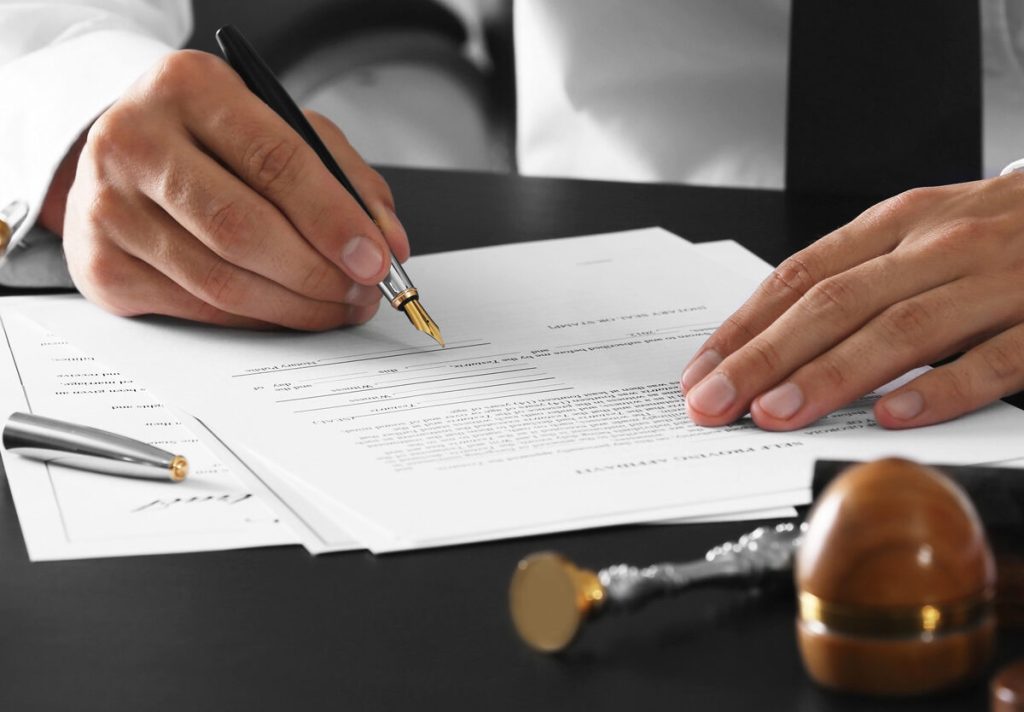
In today’s fast-paced world, digital solutions have become the new standard, making life more convenient and efficient for individuals and businesses alike. One major step forward is Remote Online Notarization (RON). In Minnesota, this modern approach allows notaries to verify and notarize documents entirely online using secure audio-visual communication tools. Whether you’re finalizing a real estate deal, signing financial forms, or handling personal legal matters, RON offers a hassle-free, legally sound alternative to traditional notarization. 📍 Pro-Mark Mobile Notary Services 📞 Call: 612-670-7651 📧 Email: prutzen@promarksigning.com Understanding Remote Online Notarization in Minnesota Remote Online Notarization (RON) allows a commissioned notary public to notarize electronic documents via a secure online platform. The process includes identity verification, real-time video conferencing, and digital signatures and seals. While the signer can be located anywhere in the world, Minnesota law requires the notary to be physically present in the state during the notarization session. This ensures compliance with Minnesota’s legal standards and adds an extra layer of security and trust. Types of Documents You Can Notarize with RON in Minnesota Many commonly used documents are eligible for Remote Online Notarization in Minnesota. Below are the main categories: 1. Real Estate Documents The real estate industry has seen one of the biggest benefits of RON. These documents often require urgent and secure handling, making RON a perfect fit. Examples include: RON allows these transactions to be completed faster, especially when buyers, sellers, or agents are in different locations. Please note that not all mortgage lenders and title companies accept Remote Online Notarizations so it is important that their approval isunderstood in advance of any signing. 2. Financial Documents Important financial forms often require notarization to validate authenticity and prevent fraud. With RON, you can notarize financial documents such as: Especially in situations involving banking or lending institutions, having the option to complete paperwork remotely adds convenience and speed. Please consult with your attorney on whether a Remote Online Notarization will be acceptable for your specific legal and financial documents. 3. Personal Legal Documents Life events often come with documentation that needs to be legally verified. These personal legal documents can also be notarized through RON: Using RON ensures your documents are legally binding without needing to visit a notary in person. Please consult with your attorney on whether a Remote Online Notarization will be acceptable for your specific legal and financial documents. 4. Business Documents For busy professionals and entrepreneurs, time is money. RON allows business owners and corporate teams to handle paperwork efficiently and securely. Examples include: Businesses can stay compliant and move forward quickly with remote notarization. Please consult with your attorney on whether a Remote Online Notarization will be acceptable for your specific legal and financial documents. 5. Healthcare Documents Medical-related documents often need to be notarized in a timely manner. Whether you’re making healthcare decisions or providing consent for treatment, RON is a secure option for: Especially for individuals who are hospitalized, elderly, or residing in care facilities, RON removes physical barriers while still ensuring legal compliance. Benefits of Using Remote Online Notarization Choosing RON comes with several advantages for both individuals and organizations. Here’s why Minnesotans are increasingly turning to online notarization: ✅ Convenience RON allows you to notarize documents from the comfort of your home, office, or anywhere with internet access. No need to travel or book appointments during business hours. ✅ Time-Saving Skip the waiting room and the commute. Online notarization is fast, often completed within minutes once your documents and identity are verified. ✅ Accessibility Ideal for people in remote locations, those with mobility challenges, or anyone needing to meet tight deadlines. ✅ Security RON platforms use advanced encryption and identity verification tools, helping protect your sensitive information and ensuring the process meets legal standards. ✅ Efficiency RON streamlines the entire workflow, which is especially helpful for professionals handling multiple transactions or individuals managing time-sensitive issues. Minnesota Requirements for RON To ensure legal validity, notaries performing RON in Minnesota must meet certain state-specific requirements. These include: By working with a mobile notary service familiar with these requirements, How to Prepare for Remote Online Notarization Before your remote notarization session, a little preparation goes a long way. Here’s what you’ll need: ✔ Choose a Qualified Notary Make sure your notary is authorized to perform RON in Minnesota and has the proper technology and experience. ✔ Verify Your Technology You’ll need a stable internet connection, a computer or smartphone with a camera and microphone, and access to the necessary RON platform. ✔ Prepare Your Documents Your documents should be in electronic format (such as PDF) and ready to be uploaded for the session. ✔ Have Your ID Ready You’ll need a valid, government-issued ID (such as a driver’s license or passport) for identity verification during the notarization. ✔ Schedule a Session Coordinate with your notary to choose a convenient time for the session. Some notary services, like Pro-Mark Mobile Notary Services offer flexible scheduling to fit your needs. Why Choose Remote Online Notary? Finding a notary service that’s both convenient and trustworthy is essential—especially when dealing with important legal or financial paperwork. In Minnesota, Remote Online Notarization (RON) has made it possible for individuals and businesses to complete the notarization process without needing to leave their location. With authorized RON providers now offering secure and seamless digital experiences, it’s easier than ever to get documents notarized efficiently and in full compliance with state requirements. 📍 Pro-Mark Mobile Notary Services 📞 Call: 612-670-7651 📧 Email: prutzen@promarksigning.com Frequently Asked Questions (FAQs) Q1: Is Remote Online Notarization legal in Minnesota? Yes. RON has been legally recognized in Minnesota since January 1, 2019, and is governed by specific state requirements to ensure document authenticity and validity. Q2: Can any document be notarized using RON? Most documents are eligible for RON, including real estate, legal, financial, business, and healthcare documents. However, it’s always best to consult your attorney to confirm document eligibility. Q3: Do I need to be in Minnesota to use RON? No, only the notary needs
Mobile Notary Services in Minneapolis for Convenience

Finding reliable and convenient notary services is crucial. Whether you need to authenticate important documents, finalize a real estate deal, or complete a legal agreement, mobile notary services offer a hassle-free solution. At Pro Mark Signing, we provide mobile notary services in Minneapolis and beyond, ensuring that your documents are notarized efficiently and securely, wherever you are. What Are Mobile Notary Services? A mobile notary public is a certified professional who travels to your preferred location to notarize your documents. Unlike traditional notary offices, where you have to visit during limited business hours, mobile notaries provide flexibility by meeting clients at their homes, offices, hospitals, or any other convenient location. Benefits of Mobile Notary Services in Minneapolis Opting for mobile notary services in Minneapolis comes with numerous advantages: Common Documents That Require Notarization Mobile notary services are essential for a variety of legal and business documents, including: Why Choose Pro Mark Signing for Notary Services in Minneapolis? At Pro Mark Signing, we are committed to providing top-notch notary services in Minneapolis and worldwide. Here’s why you should trust us: 1. Certified and Experienced Notaries All our notaries are licensed professionals with extensive experience handling sensitive documents, ensuring compliance with Minnesota state laws. 2. Same-Day and Emergency Notary Services Need a document notarized urgently? We offer same-day and emergency mobile notary services in Minneapolis to accommodate your needs. 3. Competitive Pricing with Transparent Fees We offer affordable rates with no hidden charges. You’ll know exactly what to expect before scheduling your notary appointment. 4. 24/7 Availability Unlike traditional notary offices, our mobile notary services operate round the clock to fit your busy schedule. 5. Serving Individuals and Businesses Worldwide While we specialize in notary services in Minneapolis, our reach extends globally. No matter where you are, Pro Mark Signing is ready to serve you. How to Schedule a Mobile Notary in Minneapolis Scheduling a mobile notary is simple and quick. Follow these steps: FAQs About Mobile Notary Services in Minneapolis 1. How much do mobile notary services cost in Minneapolis? The cost varies depending on the type of document, location, and urgency. At Pro Mark Signing, we offer competitive rates with upfront pricing. 2. Can a mobile notary notarize documents online in Minneapolis? Yes! Remote online notarization (RON) is available for specific documents. Contact us to see if your document qualifies. 3. What happens if I don’t have a valid ID for notarization? If you don’t have a valid ID, you may need a credible witness who can vouch for your identity. Check with us for alternative options. 4. Can a mobile notary perform notarization for real estate closings? Absolutely! We specialize in real estate notary services in Minneapolis, including loan signings, deeds, and escrow documents. 5. How long does a mobile notarization appointment take? Typically, a mobile notary appointment takes 15-30 minutes, depending on the number of documents. Final Thoughts: If you need reliable, efficient, and professional mobile notary services in Minneapolis, look no further than Pro Mark Signing. Our expert notaries are dedicated to making notarization convenient and stress-free, whether you’re at home, in the office, or on the go.